This is the definition of racism according to the Oxford English Dictionary:
Racism– Prejudice, discrimination, or antagonism directed against someone of a different race based on the belief that one’s own race is superior.
Based on this definition I can describe my experience in Africa as a type of reverse racism. Any discrimination I received made it seem like they believed my race was superior. I was at times discriminated against, but in a kind way. With the exception of the people that charged me four times the price a local would pay, people were never mean to me because I am a mzungu.
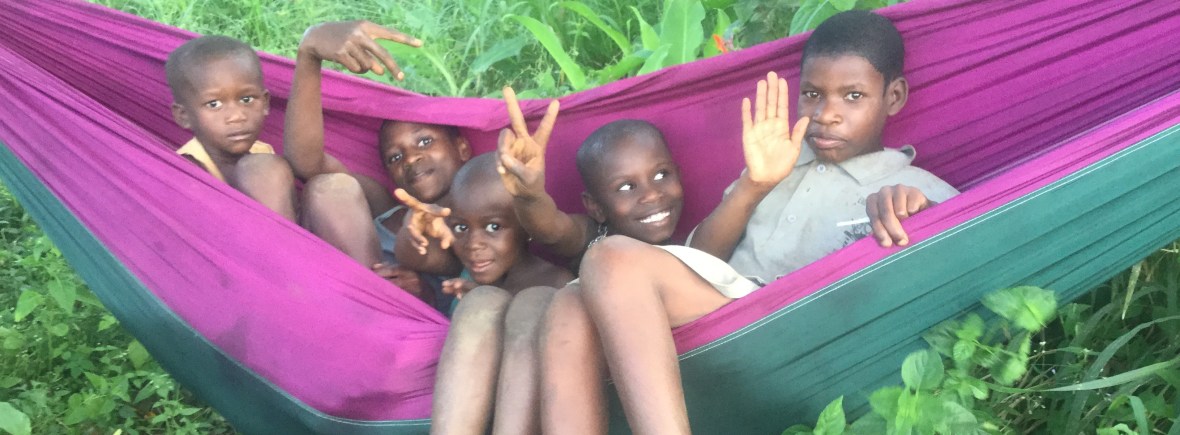
Many of my fellow travelers felt outraged about the term, ‘mzungu.’ It means “white man” and you will hear it constantly if you are caucasian and you go to small villages in East Africa. The kids will run out of their homes and gather their friends to come out and wave at you. To get your attention they will shout, “mzungu!”
On a mini bus I was sitting next to a grown man that said, “hello mzungu, how are you today?” In both of these situations the people were being very friendly. They don’t look at it as rude or racist to address you by the color of your skin. A local has even told me that mzungu is a sign of respect. I do understand the frustration of other travelers though. It is easy to compare it to screaming, “hey black man,” which we would never do. We would never say this because our countries have a history of racism. It is almost beautiful the naive way that Africans say mzungu. They aren’t worried about sounding racist because they know they aren’t. They say mzungu innocently.
Strangely enough, I feel like locals treated me better because of my skin color. In Zambia I got on a bus going from Lusaka to Livingstone. As I checked in with the bus driver he walked me to the first seat behind the bus driver. Later when one other mzungu boarded the bus, the driver then proceeded to put her in the seat beside me. The only two mzungu were reserved to sit in the front row. It’s like they thought the back of the bus wasn’t good enough for us.
There were times when I would board a crammed minibus only to have the driver open the passenger seat and tell me to sit there. They probably did charge me more than the locals, but they just as easily could have stuck me in the back for that price. Having this disconnect between the locals and myself made me sad but who can blame them after colonialism.
When I would ask a local where I could find a cheap guest house they would always try to direct me to a fancy hotel. They couldn’t believe that I was willing to sleep in the same places that they stayed. Unfortunately, the white men that came before me have given mzungus the reputation of being extremely weak and self-absorbed.
In all honesty, I think I was given suggestions of fancy hotels and given the better seats in buses because they assumed I couldn’t handle their daily struggle and they were kindly trying to give me an upper hand. Perhaps they pity the mzungu and their need for luxuries like AC and sitting toilets. Where is our stamina? Where is our strength?
Then there is the way that locals in Africa assumed that I was more knowledgeable than they are. While volunteering on an organic farm in Uganda I was supposed to direct the locals that had years of farming experience. While volunteering as a teacher I was thrown into the classroom without any background information given to me. They assumed I’d know what to do.
I guess it is flattering that they make these assumptions. It certainly isn’t malicious but it does feel like they believe white people are the “superior race,” which would be reverse racism. However, they think that because of our access to education. In the States women don’t drop out of school to have a child at 12 because birth control wasn’t available and sleeping with an older man was the only way to insure food and a roof over their head. The education I received is a privilege. The definition of privilege is:
Privilege– A right or immunity granted as a peculiar benefit, advantage or favor attached specifically to a position or an office.
My specific position is American Citizen and some advantages attached to that are my constitutional rights such as freedom of speech and religion as well as mandatory public schools.
The only time I felt like people were unkind because of my skin color was when people tried to rip me off. Many people saw money when they looked at my skin. They wanted commision for showing me the free toilet or they would charged me an outlandish price for a bus ride. However, once I got into the crammed minibus, my neighbor would buy fried maize outside the window, snap it in half and hand me a piece. It’s hard to feel too offended when the fellow passengers welcome you so warmly.
I’m extremely privileged that I can decide to go to a foreign country and experience the lifestyle there. The special attention and higher prices were frustrating but I am a woman coming from across the globe to visit tiny towns when the locals have never been to the capital city of their own country. Despite being a homeless and unemployed traveler with finite savings, for better or worse, I am privileged.
I am not of a superior race; no such thing exists. I was treated like an object to marvel at because of the history of my skin color. White men came to Africa and redrew borders and took slaves. Although innocent from these deeds my ability to travel marks me as privileged in a way that sets me apart. I can’t wait for the day that we all have the same opportunities available to us but for now I’ll just have to try and break stereotypes and fix the reputation of the white man as I travel from country to country.
 Chronicles of a Wandering Soul