I started my Central America adventure by flying into Cancún, Mexico. Belize was the country where I intended to start my trip but it is much cheaper to fly from the United States to Cancún and then get a bus from there. Since I was already in Mexico, I decided to spend a few days exploring one city before continuing onward. I researched the Yucatán Peninsula and decided against more touristy and resort filled towns such as Cancun and Playa Del Carmen. I was between Bacalar and Tulum, and ultimately chose the latter of the two due to its beautiful beaches and access to many Mayan ruins.
Getting to Tulum
Getting from Cancún to Tulum was simple. I got through customs and immigration at the airport and walked outside, following the signs to the street with buses. I found the red ADO stand on the curb where I purchased my ticket to Tulum for 263 Pesos ($13) and two hours later I was in Tulum!
Where to Stay
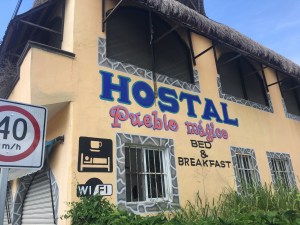 When choosing your lodging there are a multitude of inexpensive dorm rooms on Hostelworld. I chose Puebo Magico because it was half the price and had great reviews. I can certainly add to that list because I would stay there again in a heartbeat. The owner, Rafael is very welcoming and kind. Each morning he himself makes breakfast for all of the guests. My Spanish is extremely rusty but he had no problem switching to English since he used to live in the States. We swapped travel stories one morning over breakfast as I realized what a great start to my trip this was. The dorm room is open and airy and there is a rooftop chill area that has a refreshing ocean breeze
Beach Day
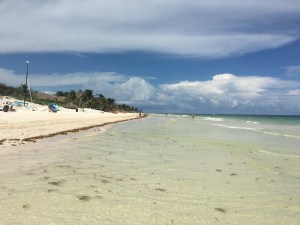 The town of Tulum is a little over two miles from the beach. It is possible to stay at a boutique hotel on the beach but that limits your dinner and drink options. I’d recommend staying in Tulum and renting a bike for your beach adventures. The town is very eco friendly with a huge bike path with recycling bins (I was shocked) every few feet that goes all the way to Playa Paraiso, the free beach. The eco lodges on this strip have restaurants and bars leading to the beach. None of the lodges are skyscrapers and the beach chairs and cabanas are open to anybody that buys a drink. I sat in a hammock at Pancho Villa where a Margarita is usually 120 Pesos but during Happy Hour (4-7 PM) you get two for that price!
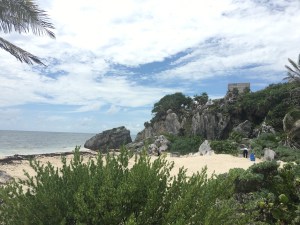
Right next to Playa Paraiso is an archeological zone with Mayan ruins on a cliff side overlooking the sea. The entrance fee is 65 Pesos and once inside there are ruins to explore, stairs leading to a private beach and lots of lizards.
Exploring Cobá and Nearby Cenotes
Tulum is within close proximity to the Mayan ruins Chichén Itzá, Xel-Há, Muyil, Ek Balam and Cobá. I decided to explore Cobá due to the ability to climb to the top of the ruins. I didn’t want to book a tour so I went to the bus station and took the 7 AM Mayab bus. An hour later I arrived at Cobá just as it was opening. Once inside I rented a bike to explore the ruins but I’d actually not recommend it. The rental was cheap enough but the place isn’t all that big and with the bike I had seen everything within an hour and a half. Walking gives more time to enjoy the peaceful jungle and to make a half-day out of Coba.
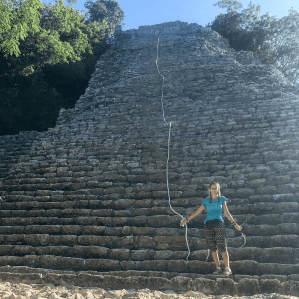 I really enjoyed climbing the 120 steps of Nohoch Mul, the tallest temple of the Yucatán Peninsula. At the time I was the only person there which was nice because multiple people waiting to hold onto the rope that leads to the top could create a long line. Once at the top I could see above the tree line and other ruins in the distance.
A cenote is a water filled sinkhole that is created when a cave collapses. The sinkhole fills with rainwater from underground rivers and it was the only source of freshwater for Mayans living in the jungle. These ecosystems are considered sacred and it is important to shower off any chemicals from sunblock or bug spray before getting into them.
Cobá ruins are in close proximity to three cenotes. At this point you will want to rent a bike to get to the cenotes but there are many bike rental companies once you walk out of the Cobá entrance gates. The cenotes are 6 kilometers away but the bike shops give you a map and there are signs posted along the way. Each cenote has a 100 Peso entrance fee so I decided to go to only two of the three.
The first one I went to was Tankach-Ha. It is a deep and dark cave with stairs leading down into it. There is a diving board attached to the stairs and this cenote is deep enough to jump into. I was told to go to this cenote first before it got rowdy with people jumping into the water. As chance would have it, I was the only one there and had the place to myself. Bats flew above me, bottom feeder fish curiously swam over to my feet as I dipped them into the water. Once I jumped in the fish gave me room and I was able to explore the refreshing underground world.
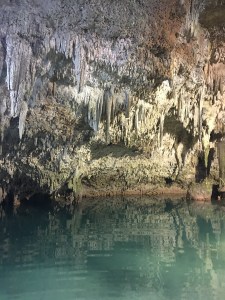 The next cenote I went to was Choo-Ha. This one is also underground, though it is a much shallower cave and I could stand in the water. It is lit up really well making a multitude of stalagmites and stalactites visible as well as the aqua blue water. I liked this one more than the first because it had a happier brighter feel but Tankach-Ha is definitely unique and worth seeing.
I biked the 6 kilometers back to Cobá and it was only noon. The first bus going back to was at 3 PM so once again I’d recommend walking instead of biking at Cobá. Luckily, I was able to find a colectivo (shared van) headed to Tulum and was able to avoid a three hour wait but nobody seemed to know the schedules of the colectivos and it is a risk. Hitchhiking is definitely an option though, as many tourists rent a car and are headed back to Tulum anyways.
The next morning I went to the Tulum bus station and took the ADO bus to Chetumal where I then caught a ferry to Belize. My time in Tulum was short but jam-packed with fun activities. Without any huge resorts on the beach and with everybody biking, it had a quaint village feel while still having many food and drink options. Tulum is definitely a must see when visiting the Yucatán Peninsula.
 Chronicles of a Wandering Soul